April 2, 2026
Why your building is treated as a commodity (and why it's costing you)
The hidden costs of blending in
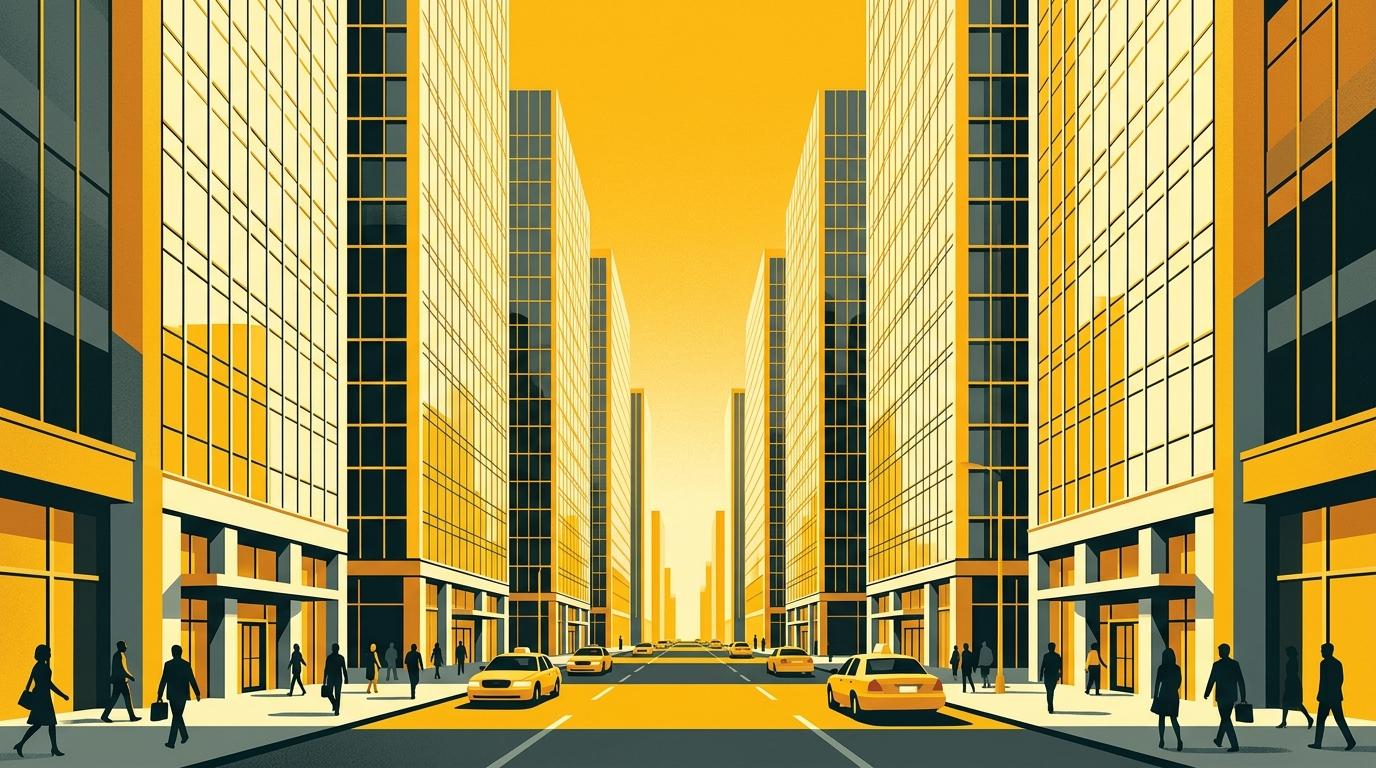
Most Manhattan office buildings look exactly the same online. Same photos, same language, same generic promises. Owners renovate their spaces, leave everything to their brokers, and wonder why floors stay empty.
The problem isn't the market. It's that their building is indistinguishable from every other option on the block.
The hidden cost of blending in
When buildings market themselves like commodities, they weaken their own position.
Tenants and brokers can easily cross the street to find alternatives that look, sound, and feel identical to yours.
This puts them at a fundamental disadvantage in every negotiation. When their building seems like it offers exactly the same benefits as every other building, price becomes the primary differentiator. The leverage shifts away from you.
The financial consequences compound over time. Lease-ups take longer because negotiations become more complex when tenants have obvious alternatives. Tours convert at lower rates because prospects aren't excited. And when renewal time comes, tenants have less reason to stay.
What can feel like a slow market is often an undifferentiated building struggling to stand out.

What commodity marketing looks like
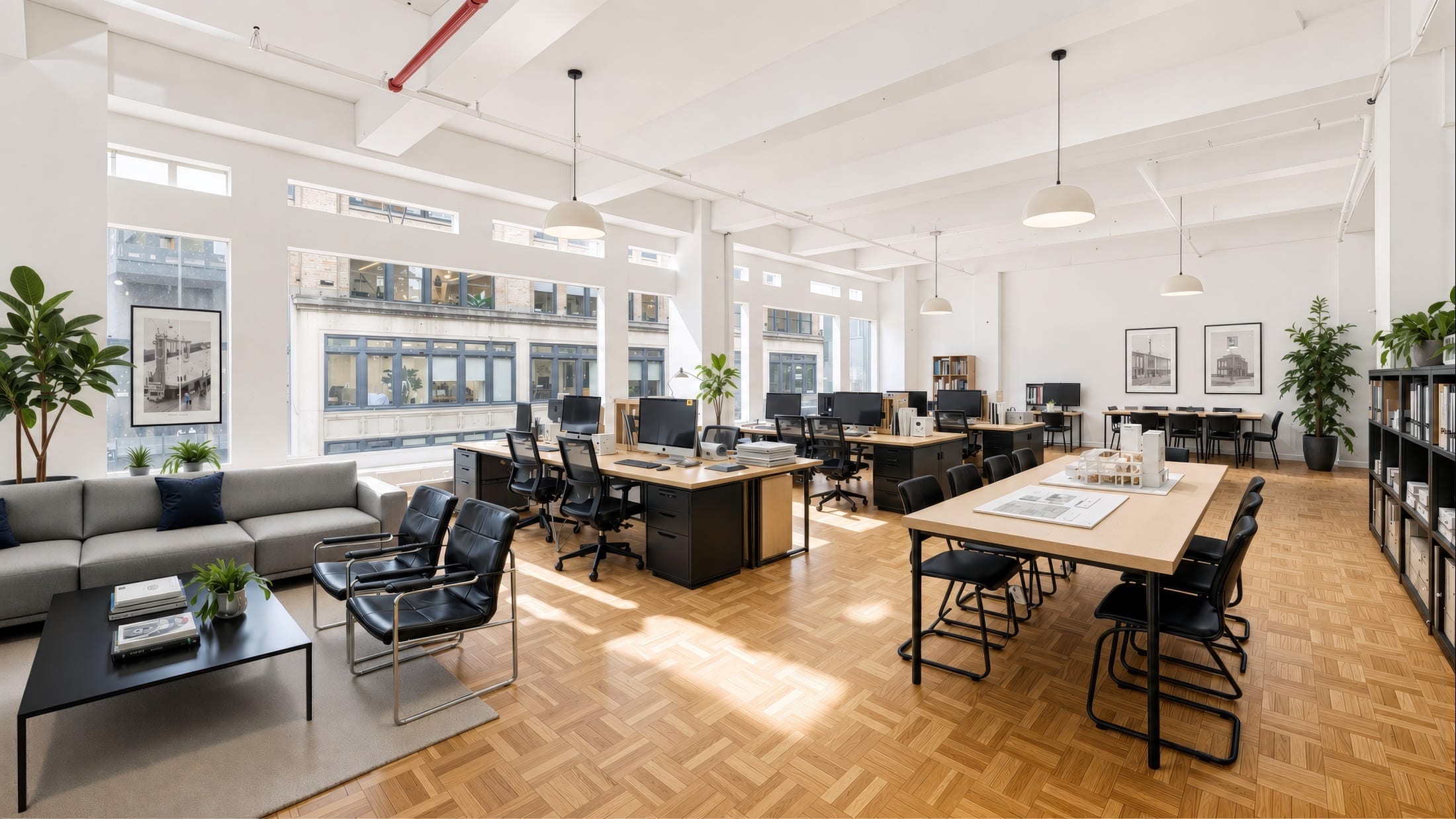
Check out most building's marketing collateral and you'll see the same pattern. Ok-ish photos of empty rooms. Generic copy that does't mean much like "The place to be" or "Where excellence comes to work". Amenity lists that feel copy-pasted.
The brochures describe square footage and specs but say nothing about who the space serves best or how it's better or different. Marketing materials focus on features - the renovated lobby, the new HVAC, the size - without connecting those features to tenant outcomes.
When buildings market themselves to everybody and offer identical-generic value propositions, tenants force them to compete on price alone.
Most buildings do have unique characteristics. Location advantages, size and style combinations, operational strengths. But commodity marketing buries these differentiators under generic messaging that could describe any office building.
Why the old playbook isn't enough anymore
For decades, the NYC office market supported a simple approach: buy, renovate, wait for brokers to fill the space. Capital improvements drove value. Marketing was an afterthought.
That model worked when demand consistently outpaced supply and when tenant expectations were lower. Brokers could rely on foot traffic and relationship-driven deals. Owners could focus purely on the physical product.
Today's market dynamics have shifted. Tenants have more options and higher expectations. Competition for quality tenants intensifies as companies downsize or reconsider their space entirely.
The traditional approach - renovate the lobby, upgrade the elevators, hire a broker, wait for results - leaves too much to chance. When every building follows the same playbook, everything looks the same to tenants.
Owners who rely solely on capital improvements and broker relationships find themselves competing on the same terms as everyone else. Without differentiation, even well-located, well-renovated buildings struggle to command premium rents or attract good credit tenants.
The positioning advantage
Buildings that position themselves intentionally create advantages that commodity marketing can't touch.
Instead of making do with vague, generic statements, these buildings communicate specific tenant benefits. Instead of listing amenities, they show how those amenities support particular types of work. Instead of competing on price, they compete on fit.
This positioning work doesn't require a massive capital investment. It requires understanding your building's unique selling points and who benefits most from them. Then communicating that clearly across all touchpoints.
When buildings do this well, negotiations become easier because tenants understand the unique value they're receiving. Tours convert better because prospects see how the space serves their specific needs. Renewals happen more naturally because tenants recognize they have something special.
The financial impact shows up in shorter lease-up periods and higher rents. Not because the building changed, but because tenants finally understand what makes it worth choosing.
At Trophy, we see this opportunity constantly. Manhattan office buildings underinvest in positioning. The market rewards buildings that break this pattern and speak directly to their ideal tenants' needs.
The commodity trap is expensive. But it's also easy to get out of once you understand it.