March 11, 2026
Positioning: The competitive advantage your building already has
The marketing lever most owners ignore

"We send the brokers some info, the floor plans and photos. They handle the rest." That's the "marketing strategy" most owners use.
But it's leaving money on the table.
The generic property trap most owners fall into
Most building owners approach marketing backwards. They buy smart, renovate thoughtfully, then treat marketing as an afterthought. The process looks like this: acquire property, invest in capital improvements, hand broker a list of square footages and building amenities, hope for the best.
This generic approach turns every building into a commodity. When your marketing materials look identical to everyone else's (square footage, location, standard amenities), you're competing purely on price and timing. That's a tough spot in Manhattan, where tenants have options.
And brokers aren't trained to fill this gap. They excel at relationships and deal-making, but most aren't practiced marketers. They rely on volume and networking, not positioning. That's not their fault, it's just not their specialty.
The result? Buildings with genuine advantages get lost in the noise. Owners who invested millions in their properties let someone else define their competitive position, usually by accident.
What positioning actually means in commercial real estate
Positioning isn't marketing fluff. It's strategic decision-making about how your building competes in the market.
Real positioning answers three questions: What makes your building different? Which tenants care about those differences? How do you communicate that clearly?
Take a common example. An owner markets their space as "Renovated office suite near Grand Central". Generic, forgettable.
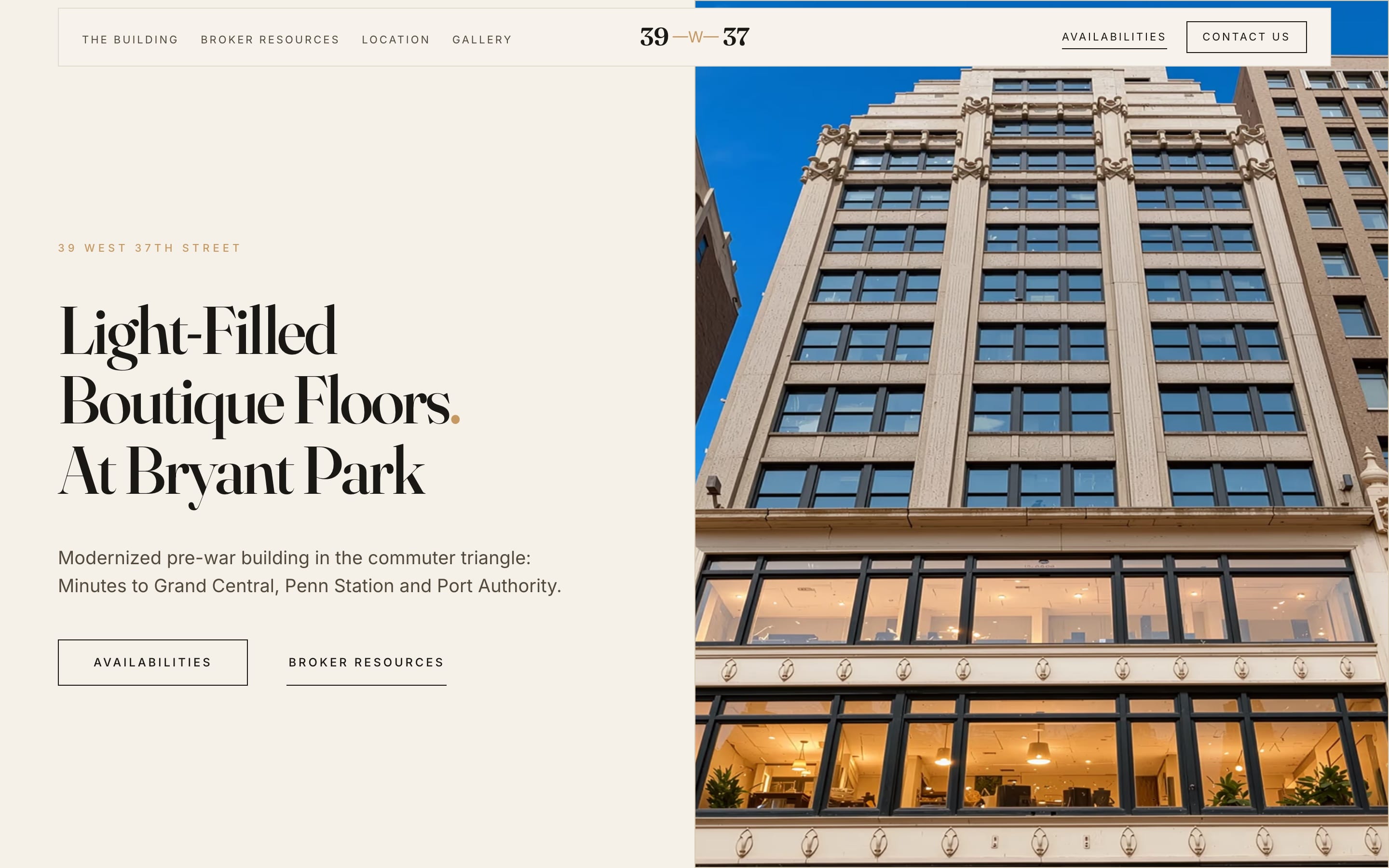
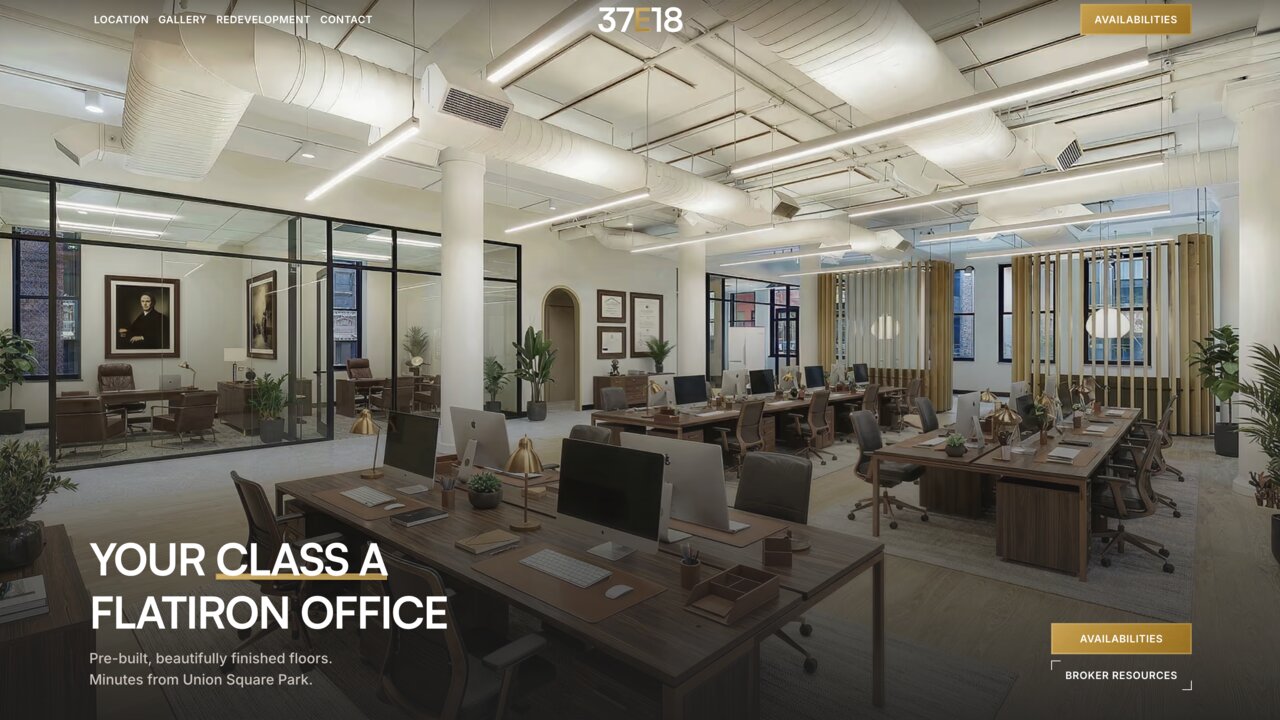
But when you dig deeper you learn that it's a beautiful spec suite sitting 2 minutes from Grand Central, and the space has 15-foot ceilings and oversized windows. Sot it becomes a "Light-filled, pre-built full floor, 2 minutes from Grand Central".
Same building, different frame. Instead of competing with every office in Midtown, they competed for tenants who valued an open space and easy access to transit.
Positioning is about choosing your competition, not just accepting it.
The million-dollar difference positioning makes
The math on positioning is straightforward. A 10,000 square foot lease in Manhattan might be worth $500,000 annually. Over ten years, that's $5 million in revenue from one tenant.
Even small improvements from positioning deliver outsized returns. Rent your space one month earlier? You've captured an extra $40,000. Attract tenants willing to pay $2 more per square foot because your building solves their specific problem? That's $20,000 annually, $200,000 over a decade.
Compare that to positioning costs. A proper competitive analysis, message development, and updated marketing materials might cost $15,000 to $50,000. The ROI is obvious.
But the real value isn't just higher rents. Positioned buildings attract better tenant matches. When your marketing speaks directly to tenants who value what you offer, you get fewer tire-kickers and more serious prospects.
How to uncover your building's unique advantages
Most buildings have positioning opportunities hiding in plain sight. The key is looking beyond obvious features to understand what tenants actually value.
Start with your physical advantages. Does your building have larger floor plates than competitors? Better light? Large amenity space? Character details that newer buildings lack? These aren't just features, they solve tenant problems.
Then consider operational advantages. Responsive management? Flexible lease terms? Faster approvals for tenant improvements? These matter more than most owners realize, especially to growing companies.
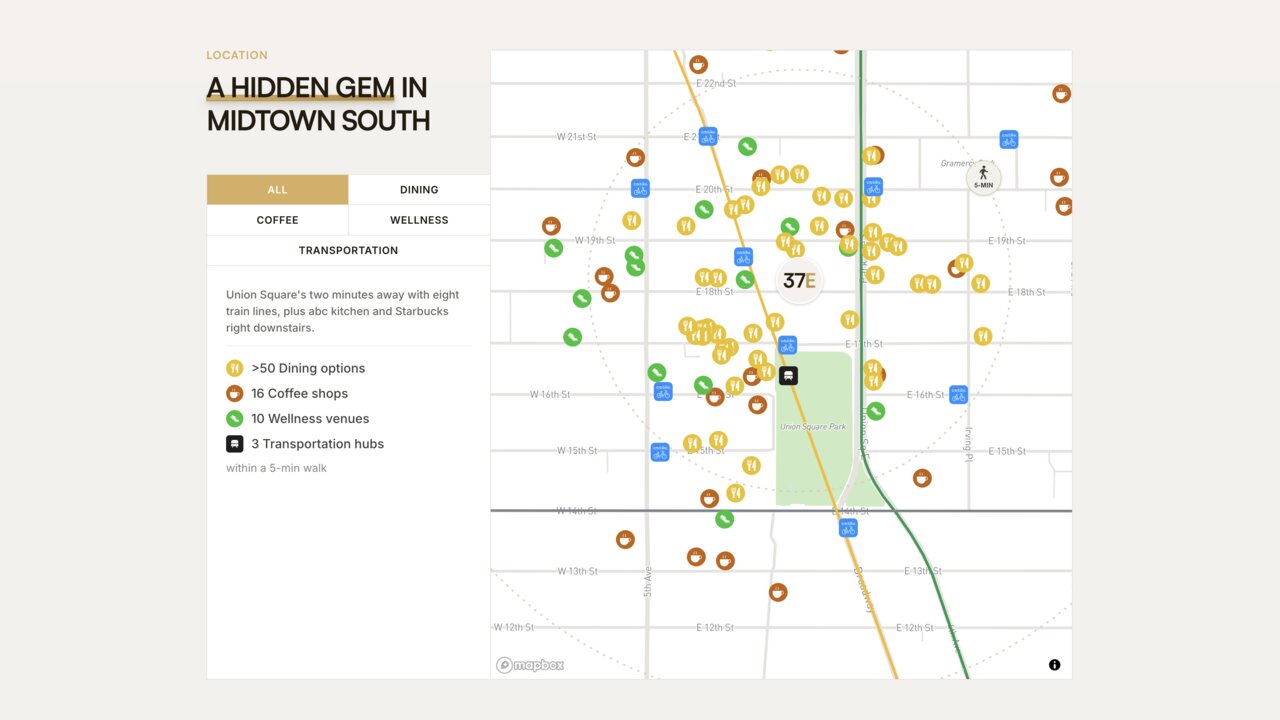
Location advantages go beyond "good subway access." Maybe you're near specific industry clusters. Or in a quieter area that appeals to companies wanting to avoid Midtown chaos. Or positioned perfectly between two neighborhoods, giving tenants flexibility.
Getting started with positioning
Start with competitive intelligence. Ask your broker for a list of comps and see what they offer.
Then audit your own advantages honestly. List everything that makes your building different, even details that seem minor. Often the best positioning comes from combining several small advantages into a compelling story.
Test your positioning with people who know the market. Share your emerging message with a trusted broker, existing tenant, or industry contact. Does it ring true? Does it differentiate you clearly?
The goal isn't perfection, it's clarity. Better to be precisely right about one thing than vaguely right about everything.
Positioning isn't decoration for your building, it's strategy. In Manhattan's competitive market, owners who think strategically about how they compete have a real advantage over those who don't. The buildings are often similar, but the owners who position them properly win more deals at better terms.