April 23, 2026
The perfect repositioning candidate
Recognizing the opportunity

When a building hits the market with the right combination of problems and potential, smart owners see something different than distressed real estate - they see the perfect repositioning candidate.
Three signals that scream opportunity
The perfect repositioning candidate reveals itself through three converging conditions that rarely align but create massive opportunity when they do.
1. Reputation problems
This might be location perception (a less desirable submarket) or previous owner neglect that's created a negative feedback loop in the market. The building isn't necessarily fundamentally flawed, but it carries baggage that affects how it's perceived and talked about.
2. High vacancy
When a building has >35% vacancy, there's room to create value. The math works for meaningful capital deployment because you're not just improving occupied space but positioning for dramatic lease-up.
3. Substantial capital investment
New ownership willing to spend real money sends a signal to the market that things are changing.
These three conditions together create something rare in commercial real estate: a blank canvas with built-in momentum. The question becomes whether owners recognize the strategic opportunity and act on it appropriately.
Why most owners miss the marketing moment
The typical repositioning approach treats marketing as an afterthought. Owners focus entirely on the physical transformation, assuming that better space and more amenities will automatically translate to better market performance.
This thinking makes intuitive sense but ignores how commercial real estate actually works. Brokers form opinions about buildings based on past experiences and market reputation. Those perceptions don't reset just because you've upgraded the lobby and installed new elevators.
There's also the issue of timing - when you've already committed significant capital to repositioning, you have natural momentum that can amplify marketing efforts. Brokers pay attention to buildings where they see real investment happening. Tenants respond to transformation stories that feel authentic and substantial.
But most owners wait until renovations are complete to think seriously about positioning and marketing strategy.
The right way is to work out the marketing in parallel to the capital investment, using the renovation phase to build market awareness and broker engagement before they need to fill space.
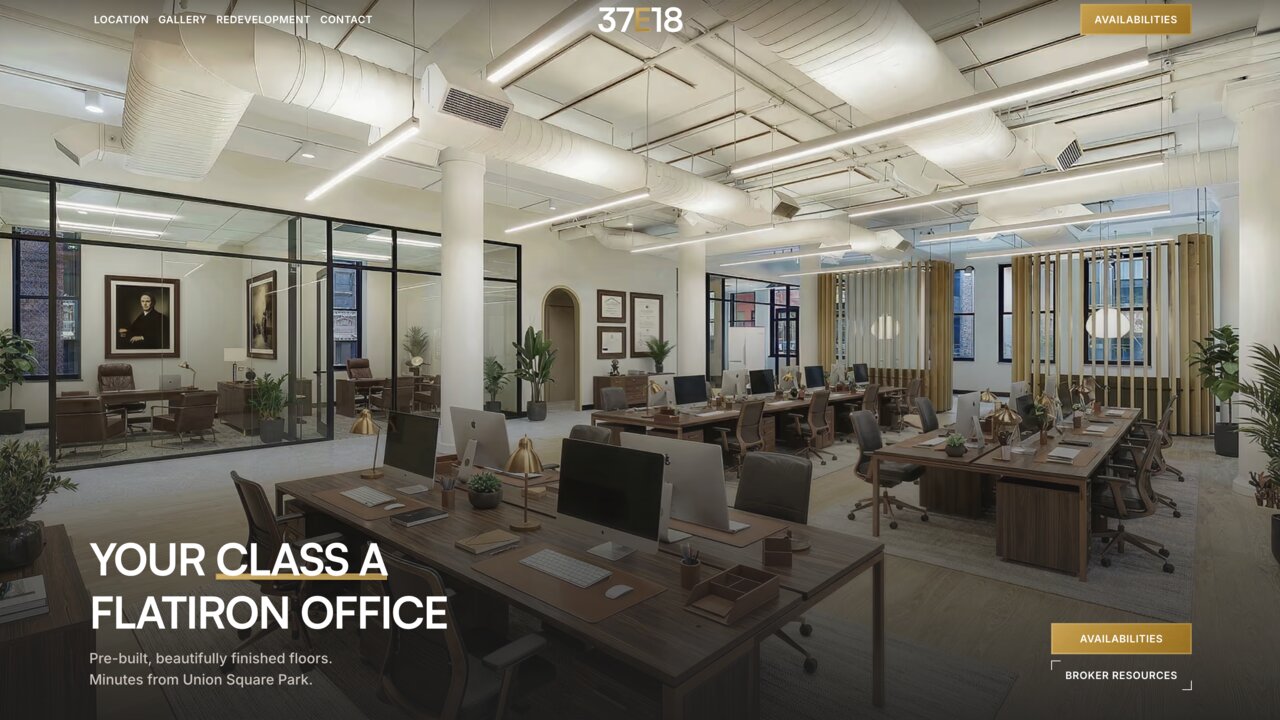
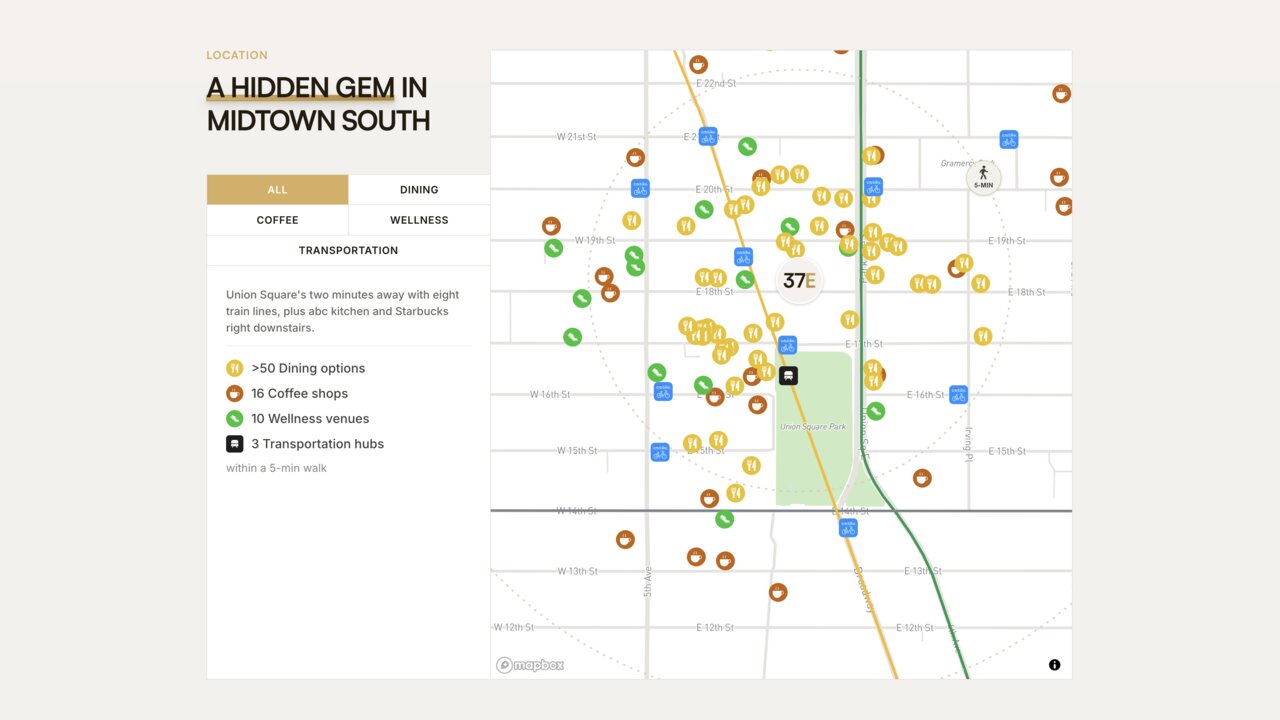
How Zar got it right with 37 East 18th Street
37 East 18th Street exemplifies what strategic repositioning looks like when all three conditions align properly.
The building came with reputation challenges from the previous owner's treatment of the building, creating negative perceptions among brokers. High vacancy rates gave the new owners room to make meaningful improvements and justified a meaningful rent increase.
Zar understood that changing market perception required more than a renovated lobby. And hired us to handle the branding and marketing side.
This coordinated approach allowed them to leverage the momentum of their renovation investment rather than starting their marketing efforts from zero after construction finished. They were able to blast the new building website to brokers and get their attention to the fact that ownership changed and the building is fully redeveloped.

The real ROI of strategic repositioning
The earlier you start changing how brokers and tenants think about your building, the more momentum you build for lease-up.
The ROI calculation isn't just about marketing spend versus rental income. It's about time compression and rent optimization. Every month you shorten the lease-up timeline through better positioning translates directly to NOI.