March 12, 2026
The 3 important jobs of a building leasing website
Beyond digital presence

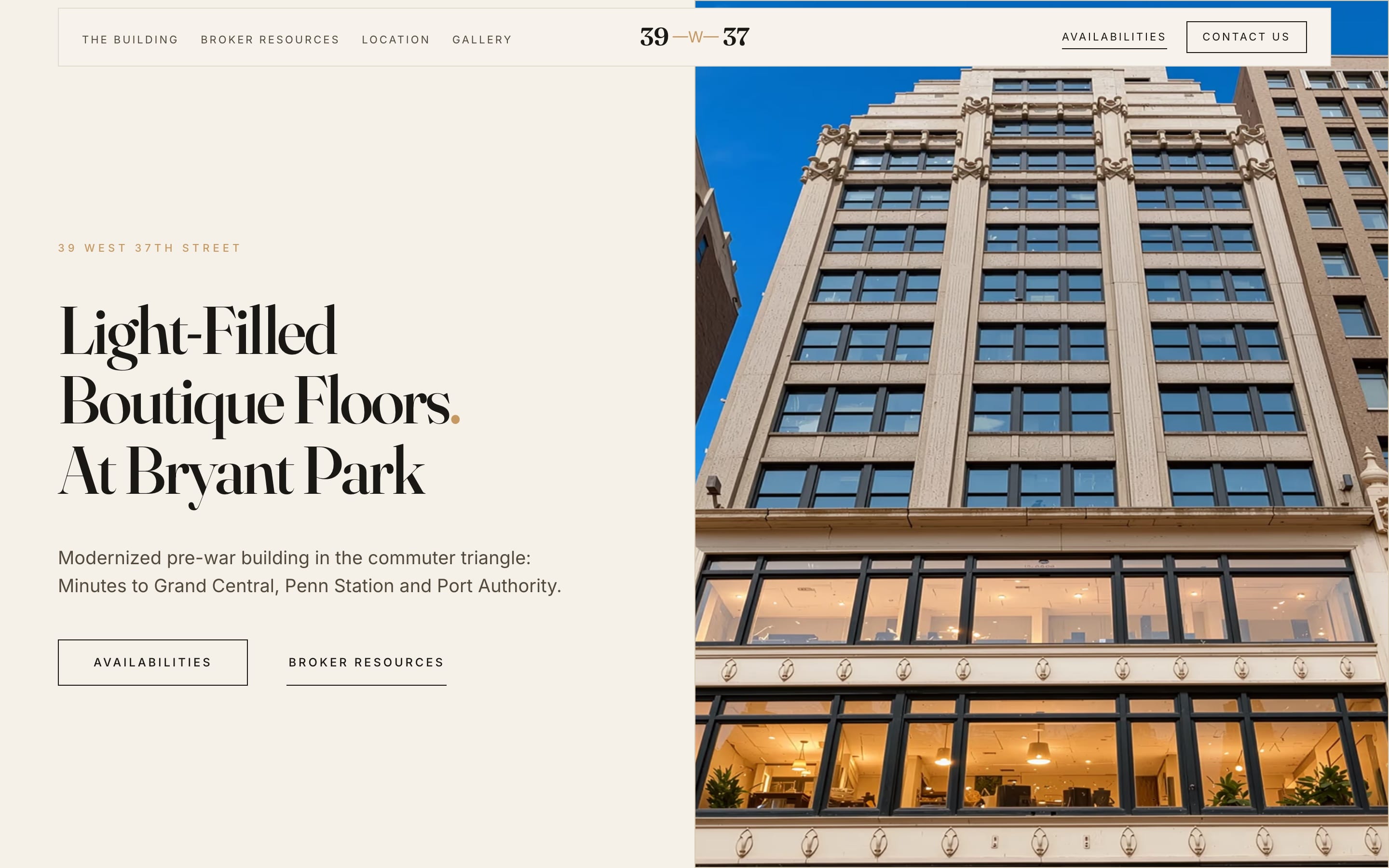
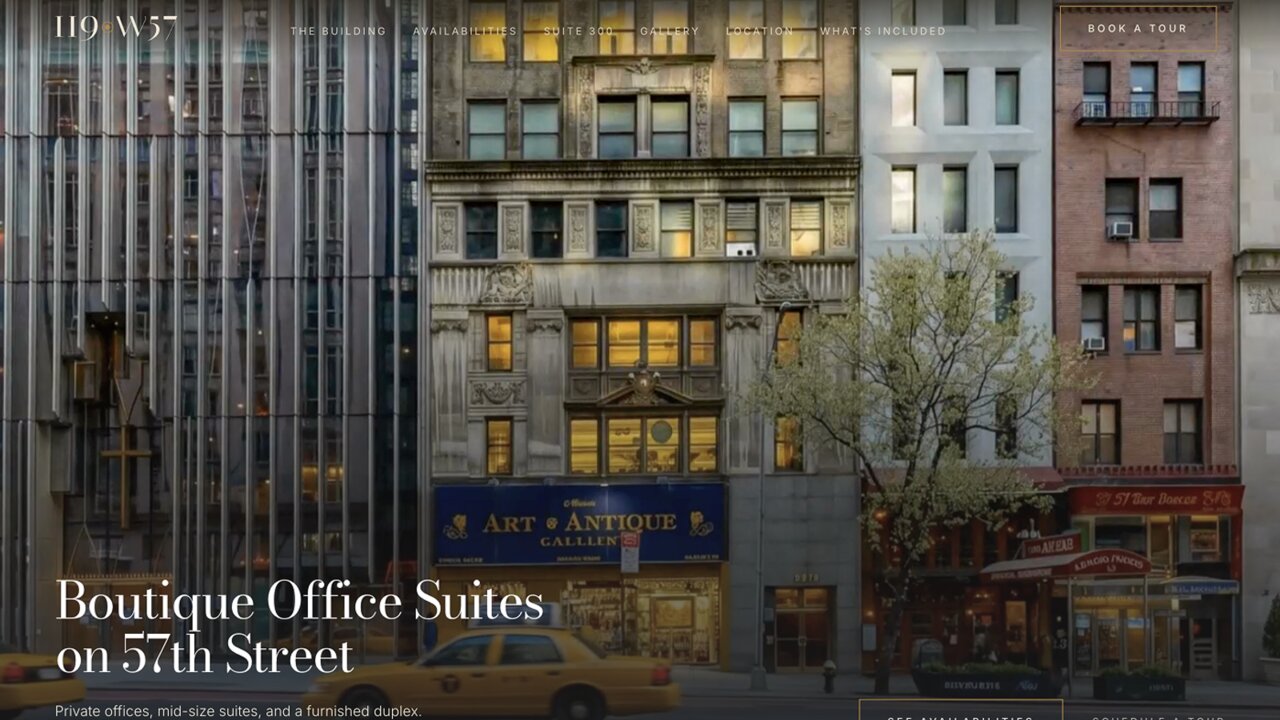
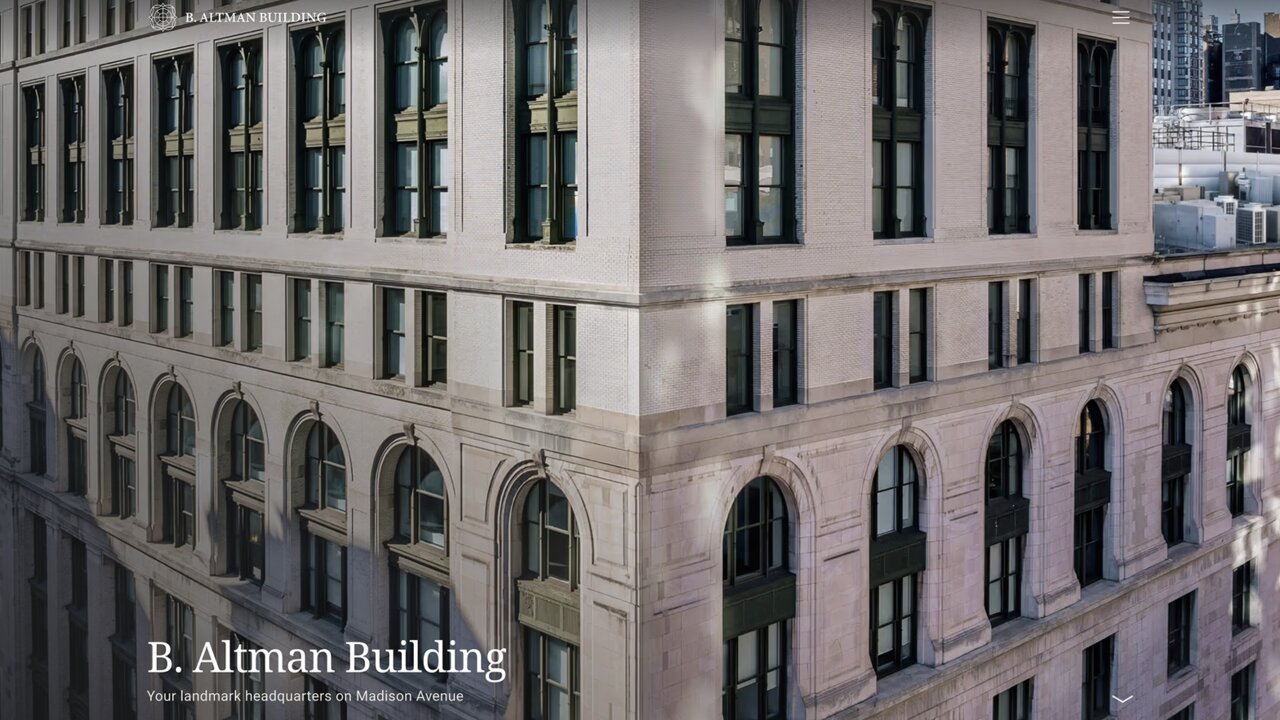
I talk to a lot of building owners who tell me they've been thinking about creating a website for their property. They know other buildings have them. They see the polished presentations from the big institutional players. But they're not quite sure what a website would actually do for their leasing efforts.
Most have gotten by without one. They list their building on CoStar and LoopNet, work with brokers they trust, and figure things will work out. And honestly, for some buildings in some markets, that approach still works fine.
But here's what I've learned: a professional website does three very specific jobs that can meaningfully impact your leasing success. Not because it's trendy or because everyone else has one, but because it solves real problems in how commercial real estate gets leased today.
Why smaller building owners skip professional websites
The honest reason most smaller building owners don't invest in professional websites is cost consciousness. When you're quoted $150,000 or $200,000 for marketing materials and a website, it's easy to say no. Especially when you've been leasing space without these tools for years.
You learn to think of professional marketing as something non-critical. Something the big landlords do because they have money to burn, not something that directly impacts your ability to lease space or command higher rents.
The problem is that this thinking treats your building like a commodity. And in today's market, commodity buildings face longer lease-up periods, weaker negotiating positions, and difficulty attracting the quality tenants who drive premium rents.
Job #1: Creating broker awareness and lasting impressions
The first job a professional website does is help brokers remember your building. When a broker sees your property on LoopNet or CoStar, they're looking at the same template format as every other listing. Same layout, same fonts, same generic presentation.
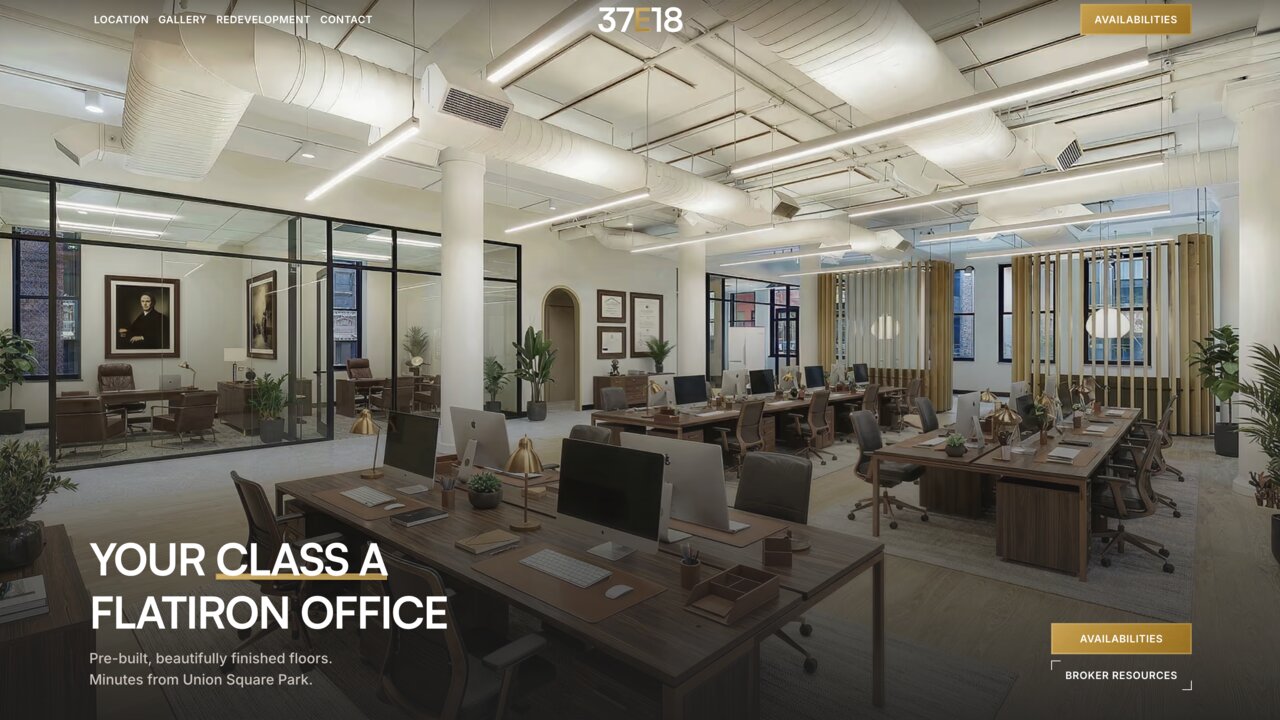
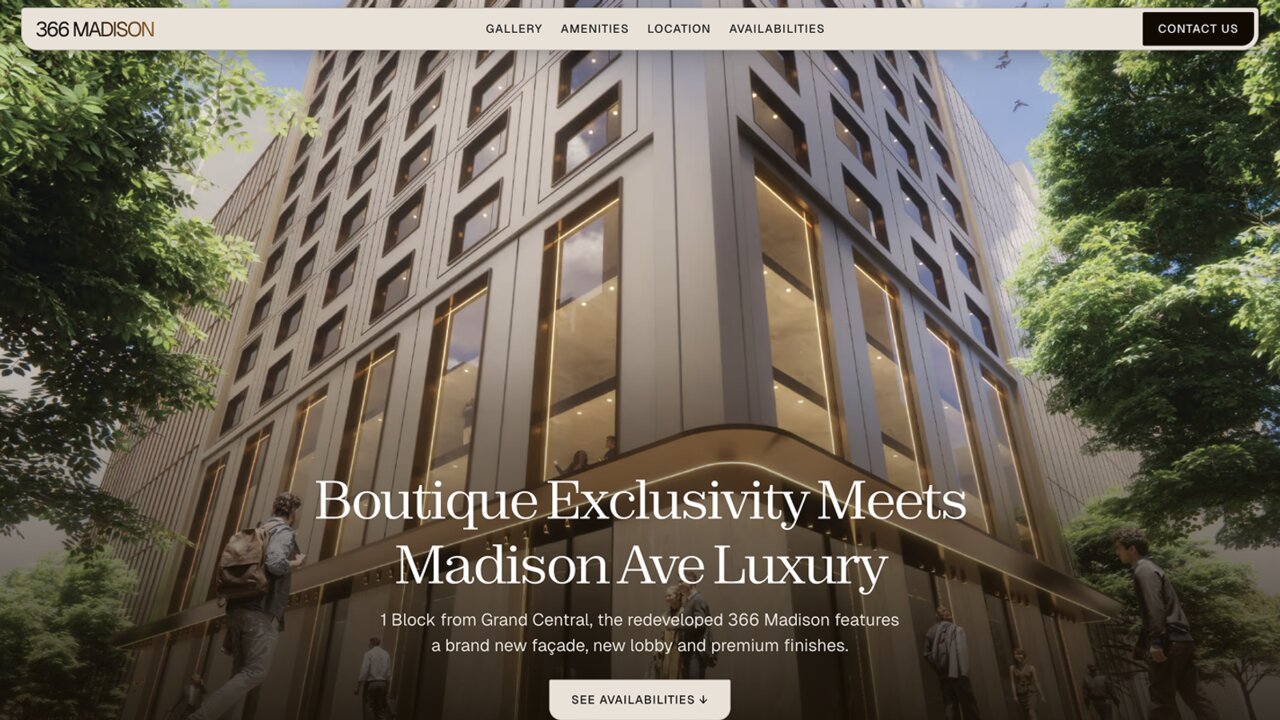
But when they click through to a custom website, something different happens. The building feels more substantial. More intentional. The impression sticks.
This matters because broker awareness drives deal flow. The tenant-side broker who remembers your building when a client mentions they're looking for 5,000 square feet in Midtown South is worth more than any listing platform optimization. And that broker is more likely to remember the building that invested in presenting itself professionally.
The website becomes a signal that this owner takes their property seriously.
Job #2: Serving as a comprehensive information hub
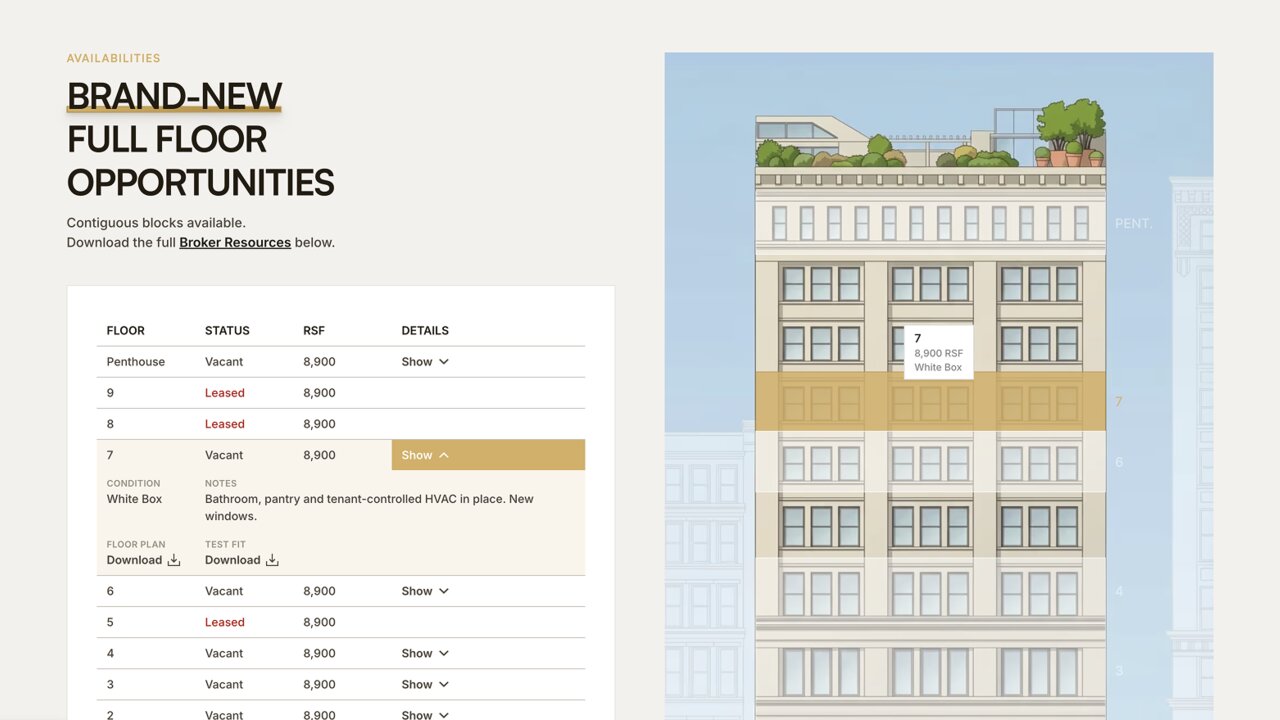
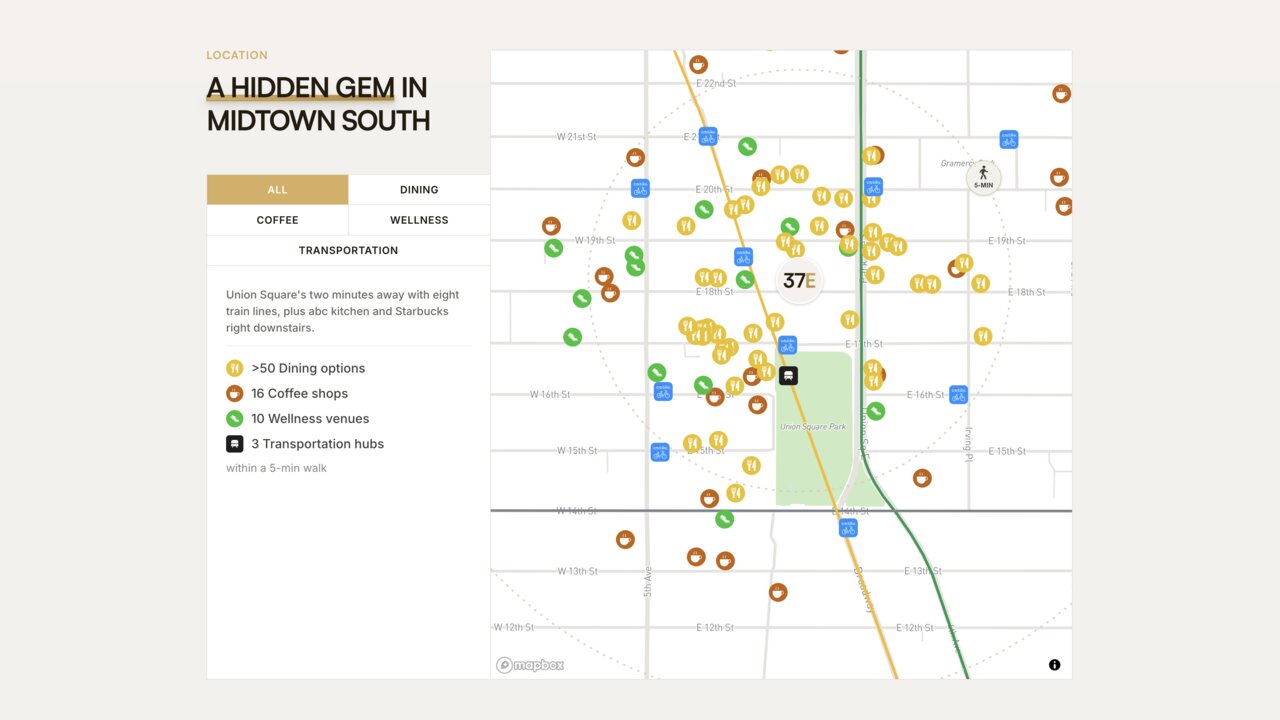
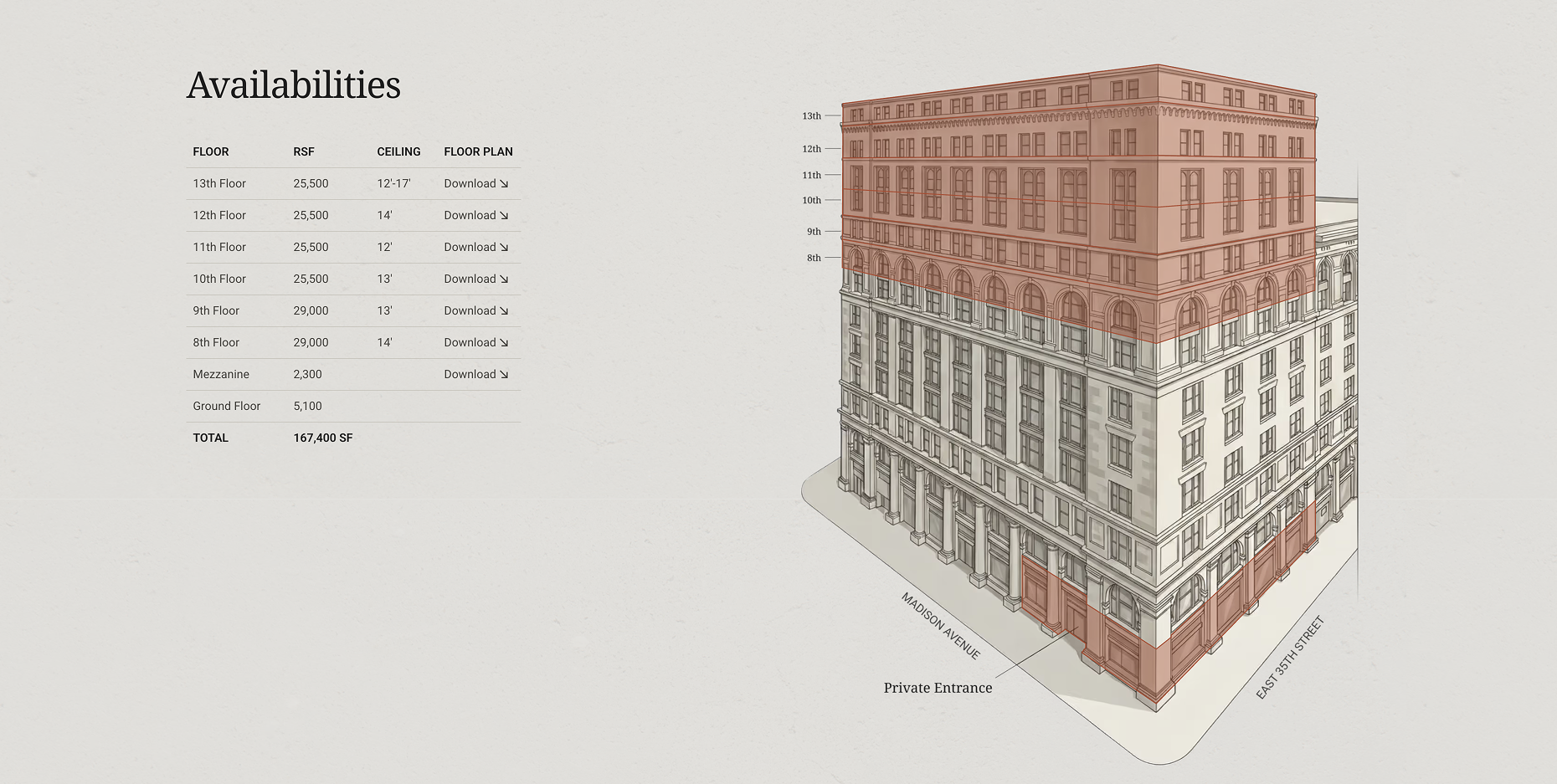
The second job is practical: organizing all the information tenant-rep brokers need in one place. Floor plans, dimensions, test fits, building amenities, transportation details. Everything that typically gets requested in follow-up calls and emails.
When done right, the website becomes the go-to link the leasing team sends out. No hunting for PDFs in email. No stale floor plans. No back-and-forth about building specifications.
This sounds simple, but it solves a real friction point in the leasing process. Tenant-rep brokers are juggling many properties for many clients. The building that makes their job easier gets more attention and more showings.
Job #3: Helping tenants build internal consensus
The third job happens late in the leasing process and might be the most valuable. When tenants are choosing between their final two or three options, they need to build internal consensus among stakeholders, advisors, and decision-makers.
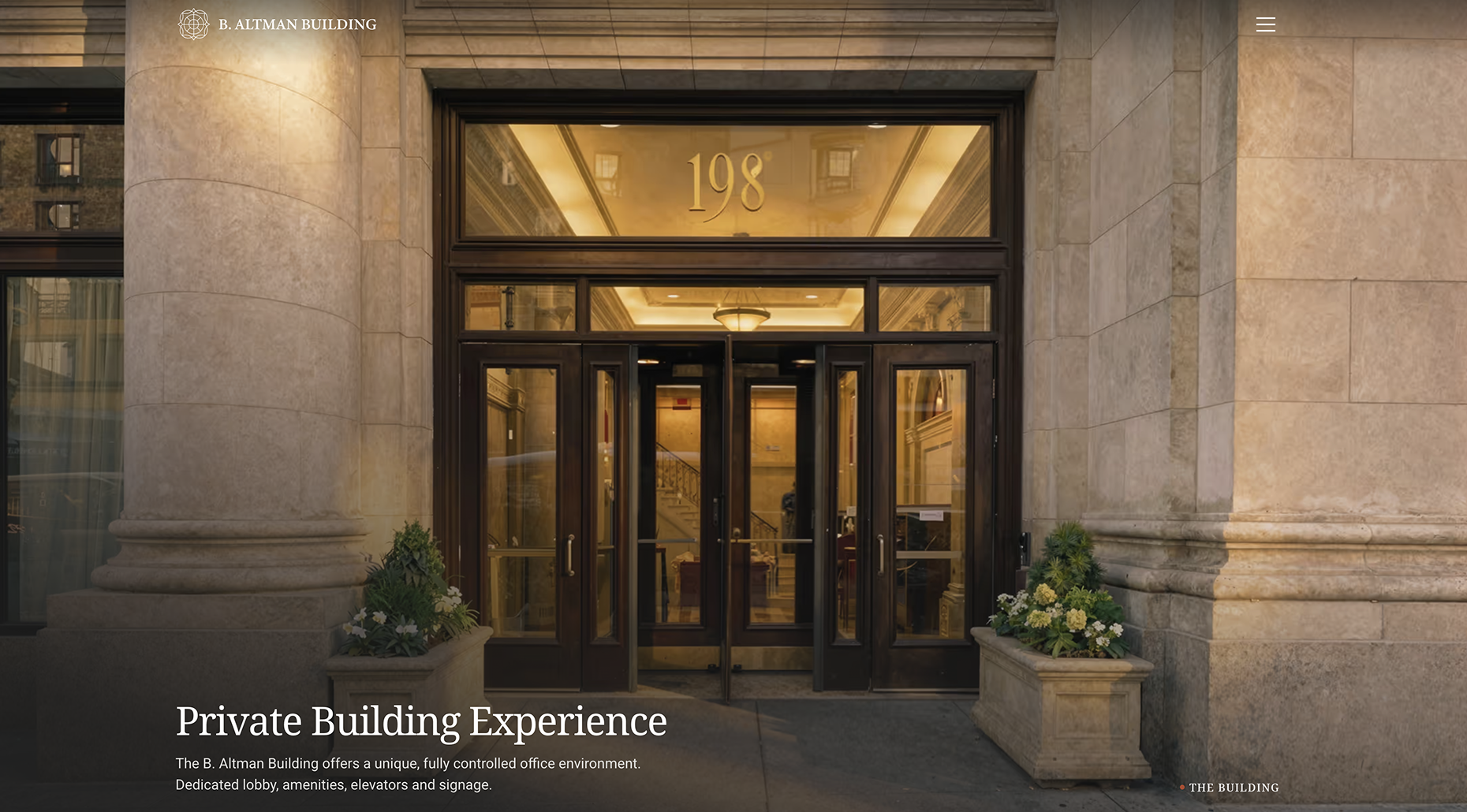
A professional website makes this easier. The CFO who couldn't attend the showing can review everything online. The consultant brought in for a second opinion has access to complete information. The executive who needs to sign off on the lease can see why this building makes sense. A well-designed, beautiful site also creates a strong impression, highlighting the high quality of the building.
Buildings without professional marketing materials create friction at this critical stage. Someone has to explain why they're recommending a space that doesn't present itself professionally. Someone has to hunt down basic information that should be readily available.
The building with a strong website removes these obstacles. It makes stakeholders feel confident about the choice and gives them the materials they need to advocate internally.
The cost of commodity status versus the opportunity to differentiate
Here's what's at stake: commodity buildings struggle in negotiation. They take longer to lease. They have difficulty attracting quality tenants who have options.
Because when you look like every other listing, you compete like every other listing. On price and terms.
But there's opportunity in this dynamic. While most smaller building owners skip professional marketing, the ones who invest in differentiation stand out dramatically. The gap between professional presentation and generic listings is so wide that modest investments can create disproportionate impact.
A professional website won't instantly transform your building from commodity to premium. But it's a meaningful step toward differentiation that pays returns throughout the leasing process. Broker awareness, streamlined information sharing, and easier tenant consensus-building all contribute to shorter lease-up periods and stronger negotiating positions.
The question isn't whether you can afford to invest in professional marketing. The question is whether you can afford to let your building remain indistinguishable from every other option in your market.